


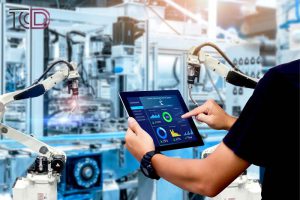
Industrial automation is a manufacturing process that involves a set of machines where a combination of raw materials is converted into a final product. Industrial automation refers to the use of control devices (such as computers) instead of humans to control and manage industrial equipment and manufacturing processes. Automation means “the automatic control and operation of a device.” With the rapid development of technology, all industrial processing systems, factories, machines, testing equipment, etc. were transformed from mechanization to automation. Industrial automation is a step up from mechanization, using highly controlled equipment for efficient production or production processes Today, industry has adopted automated manufacturing processes in industry So it is very difficult to imagine a production line without automated systems.
What is industrial automation?
Industrial automation refers to a set of technologies that can control industrial processes and equipment without human intervention, using control systems and devices such as computer software and machines with a brain. Industrial automation eliminates the possibility of human error, reduces costs, saves time and increases productivity. Industrial automation is a process that limits human involvement in rational planning and decision making. In industrial automation, the process of manual control is simplified with the help of mechanized equipment that works with machines and other industrial equipment. By using control tools like PC/PLC/PAC, the road becomes smoother by eliminating human intervention.
What are the types of industrial automation?
Industrial automation systems are usually divided into 4 types:
- Specific automation systems
- Programmable automation systems
- Flexible automation systems
- integrated automation system
What are the benefits of industrial automation?
Industrial automation has countless benefits and can have a significant impact on quality, speed and productivity. It can also achieve results beyond human capacity. Using machines reduces costs and, most importantly, increases productivity. The use of industrial automation provides solutions to meet your needs and goals, thereby reducing production costs, better use of materials, improved product quality, reduced production time and increased production speed, increased safety and reduced working time.
Some of the most important benefits of industrial automation are mentioned below:
- Precise control and monitoring
- Process flexibility
- Performance improvement
- Increasing efficiency
- increases security
- Increase income
- save money
- Increase productivity
- Creating a wide range of product creations and innovations
- Product quality improvement
- Provide excellent service.
The future of industrial automation
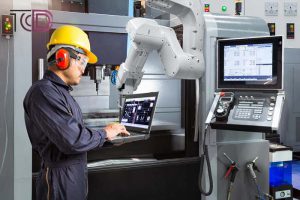
Industrial automation, as one of the technological developments in industry, has played an important role in the change and transformation of industries, and this effect will certainly increase. when using new technologies. Industrial automation can perform more complex tasks with artificial intelligence and optimize production processes by predicting possible errors and problems. In addition, we will see the widespread use of intelligent robots in production lines and increased human-robot collaboration. Of course, the role of the Internet of Things in the future of industrial automation should not be overlooked.
By establishing communications between various industrial devices and collecting and analyzing data from those devices through the Internet of Things, manufacturing operations can become smarter and better managed. Even the network created by the Internet of Things can create important changes and developments in the discussion of services.
the last word
Industrial automation has now become an integral part of the production process in various industries and it is almost impossible to imagine that a factory production line can be managed manually without the use of industrial automation systems. Industrial automation has a mechanized process and therefore leads to the production of high-quality and accurate products in a short time.