



What is a sensor?
Sensors are electronic instruments used to measure various values such as temperature, humidity and pressure. Each sensor has different applications depending on its structure and variables. In general we can say that the main function of the sensor is to convert the physical parameters into electrical signals. Therefore, the output of the sensor is an analog or digital signal. Sensors are divided into different categories based on the type of signal, the type of function, the type of parameter they measure, etc.
If a sensor is to be defined more precisely, we can say that a sensor is defined as a device or module that helps in detecting any change in visible value like pressure, force or electrical value like current or other form. After observing the changes, the sensor sends the determined input to the microcontroller or microprocessor.
Good sensor characteristics
- It is better to choose a model without audio output signal.
- Remember to choose a high-quality and durable product.
- The product you choose should have high measurement accuracy.
- Make sure you buy your desired product from a reputable source to ensure product safety and be a reliable consumer of electronics.
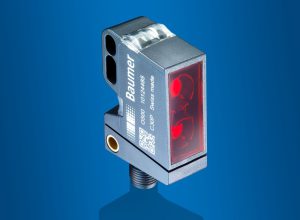
Classification of sensors
Different classifications of sensors are made by different experts. Some are very simple and some very complex.
- At first glance, sensors fall into two general categories, active and passive. Active sensors are those that require an external excitation signal or current signal. Whereas passive sensors do not require an external power signal and produce a direct output response.
- Another type of classification is based on the detection means used in the sensor. Some of the detection tools are electrical, biological, chemical, radioactive, etc.
- Another classification is based on conversion events, such as input and output. Some common conversion phenomena are: photoelectric, thermoelectric, electrochemical, electromagnetic, and thermo-optical.
- Final classification of analog and digital sensors. Analog sensors produce an analog output, ie. continuous output signal (usually voltage, but sometimes other values such as resistance, etc.)
- Digital sensors, unlike analog sensors, work with discrete or numerical data. The data in the digital sensors used for transmission and transmission is digital in nature.